Offshore Company Formations Future Trends: What Global Entrepreneurs Should Watch
Recognizing Offshore Company Formations: A Comprehensive Overview to the Process and Advantages
Offshore company formations provide a critical avenue for business owners looking for to enhance their company procedures. These entities frequently offer advantages such as tax advantages, increased privacy, and robust property defense. Nevertheless, comprehending the intricacies of choosing a jurisdiction, the development procedure, and conformity demands is crucial. As the landscape of global organization develops, the implications of establishing an overseas company warrant mindful consideration. What actions should one require to navigate this complex surface?
What Is an Offshore Firm?
An overseas company is a business entity incorporated outside the jurisdiction of its proprietors' home, usually in a country with desirable governing and tax obligation environments. These companies can serve numerous purposes, including asset protection, international trading, and wide range monitoring. They are generally developed in territories referred to as tax places, where corporate tax rates are missing or reduced, and privacy laws are rigid.
Offshore business may be owned by people or other corporate entities and can run in various fields, including shopping, finance, and consulting. While they provide certain benefits, the lawful and regulative frameworks controling overseas business vary substantially by jurisdiction. Local business owner need to browse these intricacies to guarantee conformity with both neighborhood and international regulations. Comprehending the structure and function of overseas companies is crucial for people considering this choice for organization operations or asset management.
Advantages of Developing an Offshore Business
While the choice to develop an offshore business might stem from various critical factors to consider, the prospective benefits are engaging for numerous local business owner. One substantial advantage is tax optimization; several offshore territories provide favorable tax rates or even tax obligation exceptions, permitting business to preserve more earnings. Additionally, offshore business typically provide improved personal privacy protection, shielding the identifications of investors and directors from public analysis.

Finally, company owner might find functional versatility, as offshore territories often have less regulative obstacles, making it possible for structured management and administration. Jointly, these benefits make overseas firm formations an appealing option for many looking for to increase their company horizons.
Picking the Right Jurisdiction
Picking the appropriate territory for an overseas business is an important action in maximizing the advantages described previously. Various variables influence this decision, including tax laws, business laws, and the total company setting. Jurisdictions such as the British Virgin Islands, Cayman Islands, and Singapore are frequently favored for their positive tax obligation regimes and durable lawful frameworks.
It is necessary to consider the specific needs of the service, such as personal privacy needs and regulative compliance. Furthermore, the simplicity of doing organization, consisting of the efficiency of firm enrollment and financial centers, plays a substantial function.
Possible proprietors must additionally assess the political security and track record of the chosen territory, as these elements can affect lasting success. Inevitably, detailed research and specialist appointment are advised to assure placement with the business's goals and to leverage the complete possibility of overseas advantages.
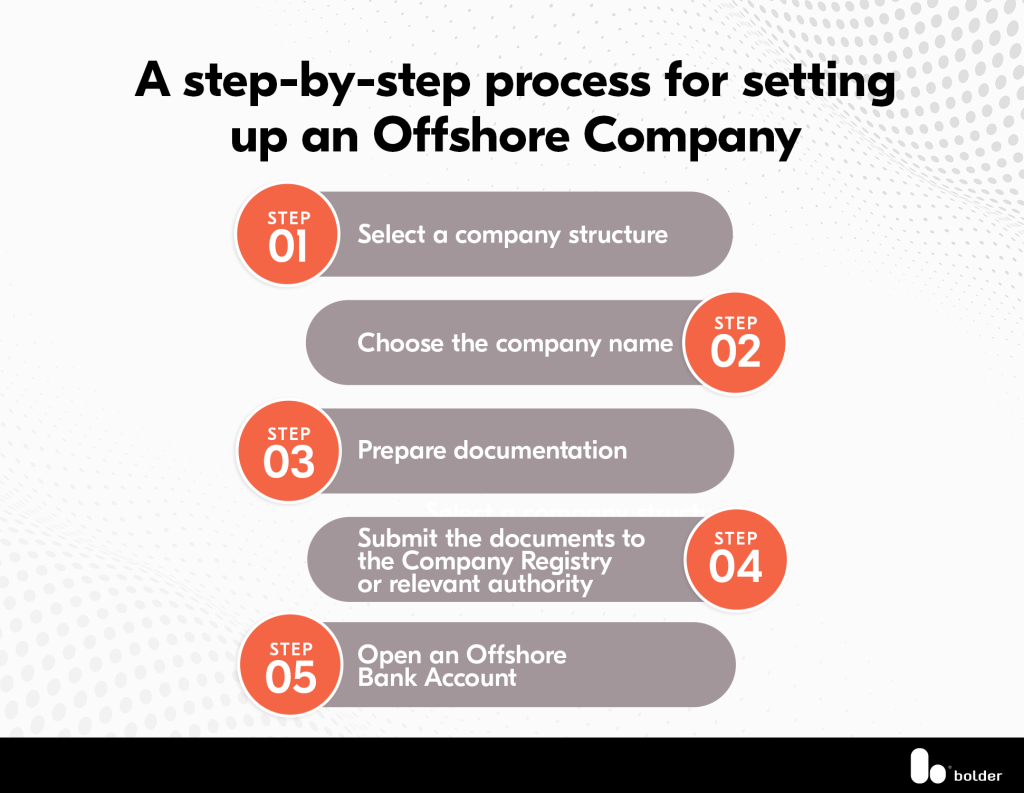
The Offshore Company Development Process
The offshore business development procedure involves a series of crucial steps that need cautious planning and implementation. People or companies should choose an ideal territory that lines up with their objectives, thinking about elements such as tax advantages, privacy, and regulative setting. Following this, the following action involves choosing the ideal business structure, such as an International Business Company (IBC) or Minimal Liability Firm (LLC)
When the structure is established, necessary documents, including a company strategy, identification, and evidence of address, must be prepared. Involving a respectable local representative or solution copyright can streamline this phase, making certain conformity with local guidelines. After submitting the required paperwork to the pertinent authorities, the formation process generally culminates in the issuance of a certificate of consolidation. This file develops the firm as a legal entity, permitting it to conduct organization worldwide.
Legal Needs and Conformity
Understanding the lawful demands and compliance commitments is important for anybody aiming to establish an overseas firm. Each territory has certain laws that have to be stuck to, which can include business enrollment, getting required licenses, and maintaining regional addresses. Offshore Company Formations. It is essential to designate a signed up representative that can help with interaction with neighborhood authorities and warranty conformity with ongoing coverage needs
Furthermore, numerous jurisdictions call for the submission of annual monetary statements, along with tax obligation filings, also if the firm does not create income. Directors and shareholders need to be recognized, with due persistance treatments usually mandated to validate their identities. Failing to satisfy these lawful responsibilities can cause charges or the dissolution of the firm. Therefore, potential overseas business owners need to talk to attorneys experienced in global company regulation to browse these intricacies effectively and guarantee complete compliance with all policies.
Tax Obligation Ramifications of Offshore Business
The tax implications of overseas companies existing significant benefits that draw in numerous business owners. Understanding the connected compliance demands is important for steering the intricacies of international tax obligation legislations. This area will certainly explore both the prospective benefits and the required obligations associated with overseas business frameworks.
Tax Benefits Overview
Although offshore firms are typically seen with uncertainty, they can use considerable tax advantages for people and businesses seeking to optimize their economic approaches. One of the primary advantages is the capacity for reduced corporate tax prices, which can lead to substantial savings. Many offshore jurisdictions give favorable tax obligation regimes, including zero or very little Click Here tax on profits, capital gains, and inheritance. Additionally, overseas firms can facilitate worldwide business operations by reducing tax obligations related to cross-border deals. This structure might additionally make it possible for tax obligation deferral possibilities, allowing earnings to grow without immediate taxes. Eventually, why not find out more these advantages add to improved economic effectiveness and possession protection, making overseas business an eye-catching alternative for wise investors and business owners.
Conformity Demands Clarified
Offshore companies may provide tax obligation advantages, however they additionally feature a set of compliance requirements that should be carefully navigated. These entities go through particular reporting commitments, which differ considerably depending on the jurisdiction. Generally, overseas business have to maintain accurate financial documents and send annual economic declarations to abide with local guidelines. Additionally, lots of territories require the disclosure of helpful ownership to fight cash laundering and tax obligation evasion. Failure to comply with these conformity procedures can lead to serious penalties, including fines and possible loss of service licenses. Recognizing the regional tax legislations and global arrangements is important, as they can affect tax responsibilities and total functional validity. Involving with lawful and monetary experts is advisable to guarantee complete conformity.
Maintaining and Handling Your Offshore Business
Keeping and handling an overseas company involves adhering to various ongoing conformity requirements necessary for lawful operation. This consists of thorough monetary record maintaining and an understanding of tax obligations relevant to the firm's territory. Effective monitoring not only assures regulative conformity however likewise sustains the business's economic health and wellness and long life.
Ongoing Conformity Requirements
Assuring recurring conformity is vital for any kind of entity operating in the overseas field, as failing to satisfy governing demands can lead to significant fines or perhaps dissolution of the company. Offshore business should stick to neighborhood laws, which might include annual filing of financial declarations, repayment of needed fees, and preserving a licensed office address. In addition, business are commonly required to appoint a neighborhood agent or representative to help with interaction with authorities. Routine updates on changes in regulation or tax needs are important for compliance. In addition, adherence to anti-money laundering (AML) and know-your-customer (KYC) laws is crucial. By maintaining organized documents and remaining educated, overseas companies can guarantee they remain compliant and alleviate dangers connected with non-compliance.
Financial Document Maintaining
Reliable economic document maintaining is necessary for the effective administration of any type of overseas business. Maintaining precise go to the website and comprehensive financial records help in tracking the business's efficiency, assuring conformity with local guidelines, and facilitating informed decision-making. Business must carry out methodical processes for recording revenue, expenditures, and deals to produce openness and responsibility. Making use of bookkeeping software application can improve this process, enabling for real-time economic evaluation and reporting. Regularly reviewing financial statements helps recognize fads, evaluate earnings, and manage capital successfully. Additionally, it is vital to firmly keep these documents to safeguard delicate information and guarantee very easy access throughout audits or economic reviews. By prioritizing thorough financial document keeping, offshore firms can improve operational performance and support long-term success.
Tax Obligation Responsibilities Summary
Understanding tax obligation obligations is essential for the appropriate monitoring of an offshore company, as it straight impacts economic efficiency and compliance. Offshore business may be subject to different tax obligation laws depending upon their territory, consisting of business tax obligations, value-added tax obligations, and withholding tax obligations. It is vital for business proprietors to stay notified concerning their tax obligations, as failure to abide can lead to charges and legal issues. Furthermore, many offshore jurisdictions supply tax obligation incentives, which can greatly profit businesses if navigated properly. Involving an experienced tax advisor or accountant concentrating on worldwide tax obligation law can help guarantee that business satisfy their responsibilities while maximizing their tax techniques. Eventually, attentive tax obligation management adds to the overall success and sustainability of an overseas entity.
Regularly Asked Questions
Can I Open a Savings Account for My Offshore Company Remotely?
The capability to open a savings account for an offshore company remotely depends on the financial institution's plans and the territory's regulations. Numerous banks provide remote services, but specific needs may vary substantially in between institutions.
What Are the Prices Involved in Forming an Offshore Business?
The prices associated with developing an overseas company typically consist of enrollment fees, legal and consulting costs, and continuous maintenance charges. These expenditures differ significantly based on territory, intricacy of business structure, and specific solutions needed.
Are There Constraints on That Can Be an Investor?
Restrictions on investors vary by jurisdiction. Some nations may impose limitations based upon business, race, or residency type - Offshore Company Formations. It's necessary for potential investors to study certain policies applicable to their selected offshore place
Just how Lengthy Does the Offshore Business Formation Process Generally Take?
The offshore business formation procedure normally takes in between a couple of days to numerous weeks. Variables influencing the timeline include jurisdiction requirements, record prep work, and responsiveness of appropriate authorities entailed in the registration process.
What Happens if I Fail to Conform With Neighborhood Legislations?
Failing to follow neighborhood legislations can result in extreme fines, consisting of penalties, lawsuit, or loss of business licenses - Offshore Company Formations. It might also damage the business's credibility and prevent future service chances in the territory
An offshore company is a business entity incorporated outside the jurisdiction of its owners' house, frequently in a country with favorable regulatory and tax atmospheres. One considerable benefit is tax obligation optimization; lots of overseas territories use desirable tax rates or also tax exemptions, enabling business to retain more revenues. Overseas business are usually viewed with hesitation, they can provide significant tax benefits for people and businesses looking for to enhance their monetary techniques. In addition, overseas business can facilitate worldwide business procedures by decreasing tax obligation liabilities connected with cross-border purchases. Offshore companies might be subject to numerous tax legislations depending on their territory, including company tax obligations, value-added taxes, and withholding taxes.